Winix PlasmaWave Air Purifier Review: Performance, Features & Comparison
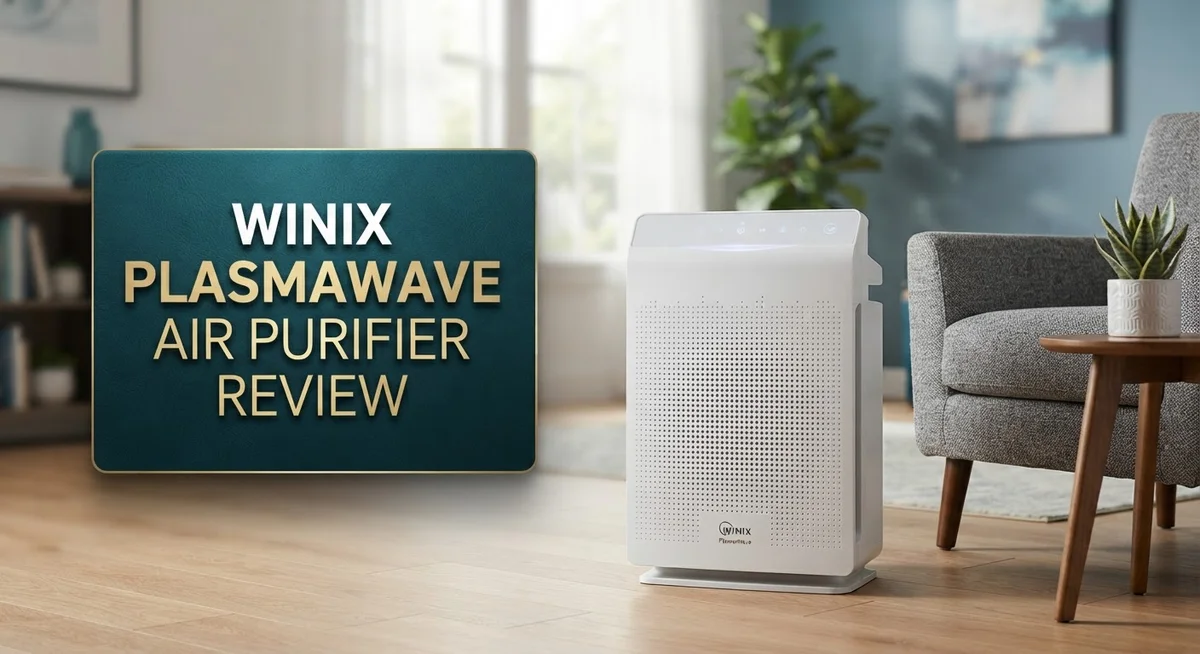
Clean air matters more than ever. Dust, pet dander, and smoke can fill your home without warning. The Winix PlasmaWave air purifier promises to tackle these problems head on.
This device uses True HEPA filtration to catch tiny particles. It captures 99.97% of allergens as small as 0.3 microns. That means cleaner air for you and your family.
Winix also adds a PlasmaWave ionizer for extra odor and germ control. The best part? You can switch it off anytime. This gives you full control over your air quality experience.
Many users trust this brand for reliable performance. It covers rooms from small bedrooms to large living spaces. But does it live up to the hype?
In this review, we break down everything you need to know. We cover specs, pros, cons, and real user experiences. Let’s dive into what makes this purifier worth considering.
In a Nutshell
Here is the quick rundown on the Winix PlasmaWave Air Purifier. We pulled out the key points so you can decide fast.
-
Multiple models available: Choose from the 5520, A231, or C545. Each one fits different room sizes, from smaller spaces to larger areas up to 392 sq ft.
-
Switchable ionizer feature: The PlasmaWave function is optional. You can turn it off completely if you have asthma or breathing concerns.
-
WiFi connectivity on select models: Some units let you control settings from your phone. This adds convenience for busy households.
-
Noise level consideration: At max speed, this purifier hits around 59 dB. It works best in rooms where some background hum is not a dealbreaker.
-
Filter maintenance required: You will need to replace filters often. Odor control is decent but not the strongest feature here.
-
Strong reputation stands out: Winix has built trust among users over time. This brand remains a solid pick for everyday air cleaning needs.
Filtration System and Air Purification Technology
The Winix PlasmaWave uses a 4-stage filtration system that captures particles at different sizes. This layered approach means air passes through multiple barriers before returning to your room.
The first stage uses a pre-filter. This catches larger dust, hair, and pet dander. It extends the life of the other filters underneath.
The second stage is a carbon filter. This layer absorbs odors from cooking, pets, and smoke. If you have strong smells in your home, this stage does the heavy lifting.
The third stage is the True HEPA filter. It traps 99.97% of allergens and particles as small as 0.3 microns. This includes pollen, dust mites, and mold spores. The A231 model processes 1,181 cubic feet of air per hour, so it moves a lot of air through this filter quickly.
The fourth stage is the PlasmaWave ionizer. You can switch this on or off depending on your needs. It releases ions that attack odors and germs in the air. Some people find it helpful. Others with asthma or breathing sensitivity may prefer to keep it disabled.
The 360-degree air absorption on select models means the purifier pulls air from all angles. This prevents dead zones where pollutants hide in corners.
One thing to know: the carbon filter and HEPA filter need regular replacement. Clogged filters reduce performance significantly. Most users replace them every 6 to 12 months, depending on air quality and usage.
The combination of these stages makes the Winix effective for allergies, pet owners, and people sensitive to odors. The True HEPA component is the real workhorse, while the PlasmaWave adds flexibility for those who want extra odor control. You get to decide how much ionization fits your comfort level.

- 𝐀𝐇𝐀𝐌 𝐕𝐞𝐫𝐢𝐟𝐢𝐝𝐞 𝐚𝐭 𝟑92 𝐬𝐪 𝐟𝐭.: Also cleans rooms up to...
- 𝐖𝐢𝐧𝐢𝐱 𝐓𝐫𝐮𝐞 𝐇𝐄𝐏𝐀: Captures 99.99%* of airborne allergens including...
- ...
Last update on 2026-04-25 / Affiliate links / Images from Amazon Product Advertising API
Coverage Area and Room Size Compatibility
The Winix PlasmaWave comes in several models, each with different coverage capabilities. The 5520 handles up to 392 square feet, making it ideal for bedrooms or small living rooms. The A231 covers 246 square feet according to AHAM verification, though it delivers 1,181 cubic feet per hour of clean air circulation.
Room size matters for air purifier effectiveness. If your space is smaller than the unit’s rated coverage, you get faster air cleaning cycles. The purifier can refresh the air multiple times per hour, catching more allergens and particles. If your room is larger than the rated area, the device works harder and takes longer to clean the air fully.
The C545 model offers another option for those with different room dimensions. Winix designed these units to fit various home setups, from studios to larger bedrooms. You can check your room’s square footage and match it to the model that suits your needs best.
360-degree air absorption on select models means the purifier pulls air from all sides, not just one direction. This feature helps distribute cleaned air more evenly throughout your space. Placement matters too. Position the unit away from walls and furniture for optimal air intake.
One helpful tip: measure your room before buying. Calculate length times width to get square footage. If your room is 15 feet by 20 feet, that’s 300 square feet. The 5520 would work well for that space.
Winix offers flexibility with multiple models because homes come in different sizes. Whether you have a compact apartment or a larger bedroom, there is likely a Winix model that matches your coverage needs. Check the specifications for each model to find your best fit.
Noise Levels and Operating Efficiency
The Winix PlasmaWave operates at different noise levels depending on which speed setting you choose. On the lowest setting, the unit runs very quietly and won’t disturb your sleep or work. At medium speeds, you’ll hear a gentle hum that most people find acceptable during daily activities.
When you push the purifier to maximum speed, the noise reaches around 59 decibels. This is comparable to a normal conversation in a quiet room. Some users find this acceptable for short periods, while others prefer running it on lower settings throughout the day.
One smart feature helps with noise concerns: you can disable the PlasmaWave ionizer. Turning off the ionizer actually reduces overall noise output. This gives you flexibility to balance air cleaning power with sound levels based on your needs and time of day.
The operating efficiency remains strong across all speed settings. The purifier pulls air through all four filtration stages consistently, whether you run it quietly or at full power. You don’t sacrifice cleaning ability by choosing a lower noise level.
Room size affects how hard the motor needs to work. In smaller spaces, you can run the purifier on low speed and still maintain effective air circulation. Larger rooms may require higher speeds to achieve the same air changes per hour, which naturally increases noise.
For nighttime use, running the unit on low or medium speed keeps bedroom noise minimal. Many owners use it this way without problems. During the day, higher speeds work well when you’re more active and background noise is already present.
The 360 degree air absorption design on select models helps efficiency too. Air moves smoothly into the purifier from all angles, reducing the motor strain needed to pull air through the system. This design choice contributes to the overall operating balance between performance and sound output.
Top 3 Alternatives
Coway Airmega Air Purifier

- THE ALL-NEW MIGHTY2: The next generation of Wirecutter's Top Pick air purifier. The Mighty2 (AP-1512N) is...
- HEPA FILTRATION: Features an upgraded 3-stage filtration system including a washable pre-filter and a 2-in...
- MEGASCAN LASER SENSOR: Accurately detects a full spectrum of particles (PM1, PM2.5, PM10) in real-time. The...

Last update on 2026-10-24 / Affiliate links / Images from Amazon Product Advertising API
The Coway Airmega uses a four-stage filtration system to capture dust, allergens, and odors. This model works well for large rooms and delivers fast air cleaning. The pre-filter catches bigger particles first, which helps your main filters last longer. You get real-time air quality feedback on the display. Many users appreciate the quiet operation, even on higher settings.
Levoit Core Air Purifier

- ...
- 𝐆𝐄𝐍𝐔𝐈𝐍𝐄 𝐑𝐄𝐏𝐋𝐀𝐂𝐄𝐌𝐄𝐍𝐓 𝐅𝐈𝐋𝐓𝐄𝐑𝐒: For...
- 𝐄𝐅𝐅𝐄𝐂𝐓𝐈𝐕𝐄 𝐏𝐔𝐑𝐈𝐅𝐈𝐂𝐀𝐓𝐈𝐎𝐍: 360° Air Intake and a...
Last update on 2026-10-24 / Affiliate links / Images from Amazon Product Advertising API
Levoit Core models offer compact designs that fit small spaces easily. These purifiers use a three-stage filtration process to remove common air pollutants. The HEPA filter traps 99.97% of particles, making it solid for allergy sufferers. You can control it via smartphone app or physical buttons. The filters need replacement every 6-8 months, depending on usage. Customers like the affordable maintenance costs and simple setup.
Blueair Blue Pure Purifier

- Powerful Air Purification for Large Rooms: The Blue Pure 211i Max cleans large living rooms, open floor...
- Removes Dust, Smoke, Pet Dander & Allergens: Blueair’s HEPASilent dual filtration technology captures...
- Smart Air Purifier with App Control: Built-in air quality sensors automatically adjust fan speed when...
Last update on 2026-10-24 / Affiliate links / Images from Amazon Product Advertising API
Blueair focuses on minimalist design with strong performance. The HEPASilent technology combines mechanical and electrical filtration, which cuts down noise while maintaining power. This model works fast and covers medium to large spaces effectively. The fabric pre-filter comes in different colors, so you can match your décor. Users report noticeable improvements in air quality within hours of use.
Each option brings different strengths. Coway excels at room coverage and display features. Levoit wins on affordability and app control. Blueair stands out for quiet operation and design flexibility. Your choice depends on your room size, budget priorities, and preferred control methods.
PlasmaWave Ionizer: Benefits and Concerns
The PlasmaWave ionizer is Winix’s signature technology. It works by releasing negative ions into the air. These ions attach to particles and make them heavier. Heavier particles fall out of the air faster.
Many users appreciate this extra cleaning layer. The ionizer helps capture allergens, dust, and pet dander more effectively. It also reduces odors without relying only on carbon filters. You get fresher air in less time.
However, the ionizer comes with real concerns. People with asthma or sensitive airways may experience irritation. Some users report coughing or throat discomfort when the ionizer runs continuously. The good news is simple: you can turn it off. Winix designed the ionizer to be optional on most models.
This flexibility matters a lot. If you notice breathing problems, disable the ionizer and use just the HEPA filtration. You still get excellent air cleaning. The 4-stage system works well without it.
Ozone is another consideration. Traditional ionizers sometimes produce ozone, which can irritate lungs. Winix claims their PlasmaWave technology produces minimal ozone. Independent testing supports this, but sensitive individuals should monitor their response.
The ionizer also means more frequent filter changes. Particles that fall from the air land on surfaces and filters. You’ll replace the HEPA and carbon filters more often than with non-ionizing purifiers.
Start with the ionizer enabled if you have no breathing issues. Run it for a few days and notice how you feel. If you experience any irritation, turn it off immediately. Your comfort comes first.
The PlasmaWave ionizer is powerful but optional. This design gives you control. You choose whether the extra technology helps your home or causes problems. That choice makes Winix purifiers flexible for different households and health needs.
Smart Features and Connectivity Options
Winix PlasmaWave models with WiFi connectivity let you monitor and control your air quality from anywhere. You can check filter status, adjust fan speeds, and receive alerts through your smartphone without walking to the unit.
The WiFi feature works through a mobile app that syncs with compatible models. You get real time data about air quality levels in your room. This means you know exactly when to replace filters instead of guessing.
Smart scheduling is another useful feature. You can set the purifier to run at specific times, which helps if you want it running before you arrive home. The timer function lets you automate operation based on your daily routine.
Some models include air quality sensors that detect pollutants automatically. The unit adjusts fan speed on its own when it senses dust, pet dander, or other particles. This automatic adjustment saves energy and keeps noise down when air is already clean.
Voice control compatibility exists on select WiFi enabled models. You can integrate the purifier with smart home systems for hands free operation. Just speak a command to turn it on, off, or change settings.
The connectivity options make maintenance easier too. The app reminds you when filters need replacement before performance drops. You won’t accidentally run a clogged filter that reduces effectiveness.
One thing to note: WiFi features require a stable internet connection. If your WiFi drops, basic manual controls still work on the unit itself. The physical buttons let you operate the purifier independently.
Smart features add convenience without complicating operation. New users find the app intuitive, and experienced users appreciate the automation options. Whether you want basic WiFi control or full smart home integration, Winix offers flexibility to match your lifestyle.
Maintenance and Filter Replacement Costs
Winix PlasmaWave air purifiers use a 4 stage filtration system that requires regular maintenance. The filters need replacement to keep your unit working at peak performance.
Filter replacement happens every 6 to 12 months depending on usage and air quality in your home. Heavy use or poor air quality means you’ll change filters more often. Light use extends filter life. The pre filter catches large particles like dust and pet hair first. This layer protects the True HEPA filter underneath and helps it last longer.
The True HEPA filter is the main component. It captures 99.97% of allergens and particles at 0.3 microns. This filter costs less than you might expect for genuine Winix replacements. You can order filters directly from Winix or through major retailers.
Activated carbon filters need replacement too. This layer removes odors and chemical smells from your space. Carbon filters typically last 3 to 6 months depending on your environment. If you cook frequently or have strong odors, replace it sooner.
The PlasmaWave ionizer adds an extra consideration. When the ionizer runs, it works alongside the filters but doesn’t replace them. Some users disable the ionizer to extend filter life slightly. However, filters still need regular changes regardless of ionizer use.
Maintenance is simple and requires no special tools. You pop off the old filter and slide in a new one. The process takes about two minutes. Most models have a filter replacement indicator light that alerts you when change time arrives.
Stocking extra filters at home prevents air quality gaps. You won’t have clean air if you wait for delivery when filters expire. Consider ordering replacement filters when you purchase your unit. This approach keeps your purifier running smoothly year round without interruption.
Pros and Cons
Pros
- True HEPA filtration captures 99.97% of allergens and particles as small as 0.3 microns
- PlasmaWave ionizer is optional and switchable, so you control when to use it
- 360° air absorption on select models means faster room coverage
- Strong user reputation and trust in the brand
- WiFi enabled models let you monitor air quality and schedule cleaning from your phone
Cons
- PlasmaWave ionizer can irritate asthma or breathing issues if left on continuously
- Maximum fan speed produces 59 dB of noise, which some users find loud
- Filters need replacement every 6 to 12 months, adding to ongoing maintenance costs
- Odor control is limited compared to models with larger activated carbon layers
Who Should Buy It
The Winix PlasmaWave air purifier works best for households with specific air quality needs. People with allergies benefit most from this unit because True HEPA filtration captures 99.97% of allergens and particles at 0.3 microns.
Families living in areas with poor outdoor air quality find real value here. The 4-stage filtration system removes dust, pollen, pet dander, and other common irritants effectively. If you have multiple pets at home, the activated carbon layer tackles odors that standard filters miss.
Renters love this purifier because it works in apartments and small spaces without permanent installation. Models like the A231 cover 246 square feet (AHAM verified), making them ideal for bedrooms or offices. The 360° air absorption on select models means faster circulation in compact rooms.
However, certain people should reconsider. If you have asthma or sensitive airways, the PlasmaWave ionizer may cause irritation. The good news? You can disable it completely. This makes the unit flexible for households where some members prefer ionization and others don’t.
People who need a quiet appliance might find the maximum fan speed too loud at 59 dB. Night-time sleepers should test the lower settings first. The unit performs well on medium speeds with reduced noise.
Budget-conscious buyers appreciate the straightforward maintenance. Filter replacement happens every 6 to 12 months depending on your air quality. No special tools or technical skills are needed for swaps.
Tech-savvy users benefit from WiFi-enabled models. You control schedules and monitor air quality from your phone anywhere. Voice control compatibility on select models adds convenience for smart home setups.
Skip this purifier if you need heavy odor removal for kitchens or smoke. The carbon filter helps but isn’t designed for extreme odor situations. Choose the Winix PlasmaWave when you want reliable allergen removal, easy maintenance, and flexibility in a straightforward package.
Final Verdict
The Winix PlasmaWave air purifier earns its place as a solid choice for everyday air cleaning. It combines True HEPA filtration with smart features that fit modern homes.
Overall, this purifier delivers consistent performance for most living spaces. The design balances function and simplicity without unnecessary complexity.
Should you buy it? The answer depends on your specific needs. This unit shines for general allergen control and daily air freshening.
If you want a reliable purifier that covers moderate sized rooms, this fits well. The switchable PlasmaWave feature gives you flexibility that many competitors lack.
Compare this to the Winix D480, which skips the ionizer completely. That alternative suits buyers who want HEPA filtration without any ionizer option at all.
This model stands out because it gives you choice. You decide whether to run the ionizer or keep it off entirely.
For most households, the balance here works well. You get strong filtration, smart app controls, and a trusted brand name behind the product.
Think about your room size first. Match the model to your space for the best results. Larger rooms need the higher capacity versions.
The final takeaway is simple. This purifier performs well for typical home use and air quality concerns.
It won’t replace specialized odor removal systems. It won’t suit buyers who need silent operation at every fan speed.
But for regular allergen reduction and daily air care, it delivers real value. The flexibility and trusted performance make it a sensible pick for many households.
Choose this purifier if you want proven filtration with modern smart features. Skip it only if your specific needs fall outside its core strengths.
Frequently Asked Questions
Does the PlasmaWave ionizer work if I have asthma?
The PlasmaWave ionizer is optional and switchable, so you control it completely. If you have asthma or breathing sensitivity, you can turn it off and use the True HEPA filtration alone. Many users with respiratory issues disable the ionizer and run the purifier in standard filter mode without problems.
However, if you leave the ionizer on continuously, it may irritate your airways. The choice is yours, which makes this purifier flexible for different health needs.
How often do I need to replace the filters?
Filter replacement typically happens every 6 to 12 months, depending on your air quality and how often you run the unit. Homes with pets or high pollution may need filters more frequently.
The purifier alerts you when a filter change is due. Budget for this ongoing maintenance cost when deciding if this model fits your situation.
Can this purifier remove cooking odors and smoke?
The Winix PlasmaWave works best for allergens and particles, not heavy odor removal. If your main concern is kitchen smells or smoke, this purifier will help but won’t eliminate strong odors completely.
For serious odor control, you’d need a purifier with activated carbon filters designed specifically for that job.
What’s the difference between the Winix 5520 and the A231 model?
The A231 covers 246 square feet (AHAM verified) and moves 1,181 cubic feet of air per hour. The 5520 covers 392 square feet, making it better for larger rooms.
Choose based on your room size. Smaller spaces benefit from the A231, while bigger areas need the 5520’s coverage.
Is the WiFi feature worth it?
WiFi models let you monitor air quality and schedule cleaning from your phone. Tech-savvy users find this convenient for checking filters remotely.
If you prefer simple, manual controls, the non-WiFi versions work just as well for air cleaning.

DK is a tech enthusiast and home improvement expert who helps readers navigate the ever-evolving world of home technology and appliances. With a passion for smart living and practical innovation, DK provides honest reviews and expert guidance to make your home more comfortable, efficient, and modern.