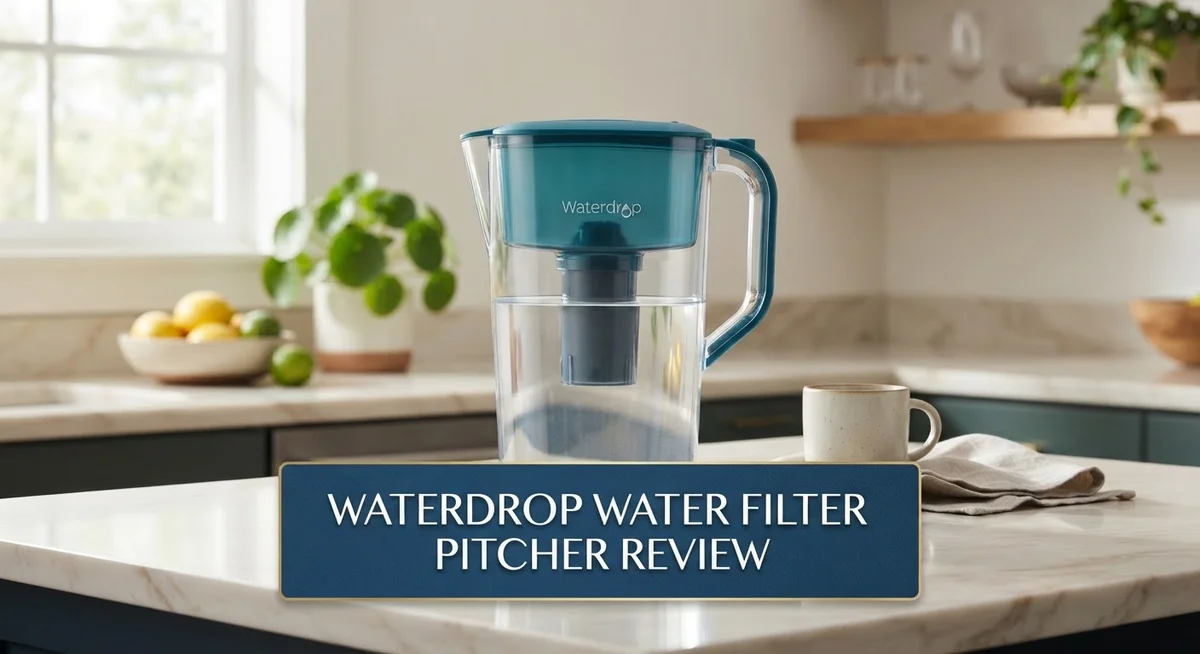
Waterdrop Water Filter Pitcher Review: Performance, Filtration & Comparison
Clean water matters. Your family deserves the best protection from harmful contaminants. That’s where the Waterdrop Water Filter Pitcher steps in.
This pitcher does more than just look good on your counter. It filters fast. It removes chlorine, lead, and other nasty stuff from your tap water.
Many people switch from Brita to Waterdrop. Why? The filtration rate is quicker. The filters last longer too.
We tested this pitcher ourselves. We checked its specs, build quality, and performance. We also compared it to top competitors like Brita Elite and Brita Metro.
This review covers everything you need to know. You’ll learn about its strengths and its weaknesses. We’ll help you decide if this pitcher fits your home.
Ready to find out if it’s worth your attention? Let’s jump in.
In a Nutshell
Here is what you need to know about the Waterdrop Water Filter Pitcher:
-
Fast filtration: This pitcher filters water quicker than Brita. You will not wait long for clean water.
-
Strong contaminant removal: It reduces PFOA, PFOS, chlorine, cadmium, copper, and mercury. It also removes uranium and strontium well.
-
Long filter life: Each filter lasts up to 3 months or 200 gallons. That is five times longer than some competing filters.
-
NSF certified: The filter meets NSF standards. This gives you confidence in its performance.
-
Two material options: You can choose glass or plastic models. Both are BPA free for safer use.
-
Some limits exist: This pitcher does not reduce total dissolved solids. It also lacks certification for microplastics removal.
These points cover the core strengths and weaknesses. Brita Elite offers microplastics certification. Brita Metro stays compact and fast. Keep these facts in mind as you decide what fits your needs best.
Filtration Performance and Contaminant Removal
Waterdrop’s filtration system uses a multi-stage filter design. The filter combines activated carbon, ion exchange resin, and other media to capture unwanted substances from your tap water.
The pitcher removes PFOA and PFOS effectively. These “forever chemicals” come from nonstick cookware and industrial processes. Waterdrop’s filter reduces both compounds significantly, which matters if you live near contaminated water sources.
Chlorine removal is another strong point. The activated carbon layer tackles chlorine taste and odor quickly. Most users notice the difference in their first glass of filtered water.
Heavy metals get caught too. The filter reduces cadmium, copper, and mercury. It also removes uranium and strontium, which some competitors miss. This matters if your area has older pipes or industrial activity nearby.
Speed matters in real life. Waterdrop filters water faster than many alternatives. You don’t wait as long between pouring and drinking, which encourages people to use filtered water instead of bottled water.
One important limit: this pitcher does not reduce total dissolved solids (TDS). TDS includes minerals like calcium and sodium. If mineral content is your main concern, you’ll need a different system. Most people don’t worry about TDS unless they have very hard water or specific health conditions.
The pitcher also does not remove microplastics. Microplastics are tiny plastic particles found in some water supplies. If microplastics concern you, check competitor options first.
NSF certification backs up the performance claims. NSF testing confirms the filter reduces the substances Waterdrop advertises. This third-party verification gives you confidence in the results.
Filter longevity is solid. Each filter lasts 3 months or 200 gallons, whichever comes first. This lifespan beats many budget pitchers on the market.
Real world results depend on your local water quality. If your tap water has high chlorine, you’ll love the taste improvement. If you have heavy metal concerns, the removal rates help. If your main issue is minerals or microplastics, look elsewhere.
The filtration performance sits in the middle to upper range for pitcher filters. It excels at removing common chemicals and some heavy metals. It falls short on mineral reduction and microplastic filtration. Your specific water problems determine if this pitcher solves your needs.

- [Replacement filters] Need filters for PT-07? Search for PF-01A or ASIN B086ZPR3WM on Amazon. Choose genuine...
- [NSF certified filtration performance] The Waterdrop Lucid filtered water pitcher with lid has passed NSF/ANSI...
- [Quality daily water choice] The Waterdrop Lucid water filter pitcher with lid is designed for efficient daily...

Last update on 2026-10-24 / Affiliate links / Images from Amazon Product Advertising API
Design, Capacity, and Build Quality
The Waterdrop pitcher holds 7 cups of filtered water. This capacity works well for small households and offices. You can fill it once and have fresh water available throughout the day.
The pitcher comes in two material options. You can choose a glass model or a plastic model. Both versions offer the same filtration performance. The glass option looks more elegant on kitchen counters. The plastic version is lighter and more durable for everyday handling.
Build quality stands out as a key strength. The pitcher feels solid in your hands. The plastic components are BPA free. The glass models use high quality borosilicate glass. The filter cartridge fits snugly into the top. Assembly takes just seconds without any tools needed.
The design is straightforward and user friendly. The water flows into the top chamber. It passes through the multi stage filter. Clean water collects in the bottom pitcher. A small spout makes pouring easy. The lid sits flush on top. No water leaks during normal use. The overall shape is compact enough for most refrigerator doors.
Filter replacement is simple. You twist out the old cartridge and insert a new one. No special tools or complicated steps are required. Most people complete the swap in under one minute. The filter housing is clearly marked with replacement instructions.
One design consideration matters here. The pitcher does not have a water level indicator window on the side. You cannot see how much filtered water remains without looking inside. Some competing models include this feature. You’ll need to check the pitcher directly or lift it to gauge fullness.
The materials resist staining and odors well. Unlike some plastic pitchers, this one does not absorb coffee or tea smells. The glass models never absorb odors at all. Both versions clean easily with warm soapy water. The removable top lid makes cleaning straightforward.
The pitcher’s footprint is modest. It fits on most refrigerator shelves without taking up excessive space. The height allows it to slide under most cabinet overhangs. The weight when full is manageable for most people. The handle provides a comfortable grip even with wet hands.
Overall, the design balances form and function effectively. The 7 cup capacity suits typical household needs. The build quality suggests this pitcher will last for years with normal use.
Filter Lifespan and Replacement Costs
The Waterdrop pitcher’s filter lifespan follows a straightforward timeline. Each filter works for 3 months or 200 gallons, whichever comes first. This duration holds up well compared to many competing pitcher filters on the market today.
Real world usage determines when you’ll need a replacement. If your household uses the pitcher daily, you’ll likely hit the 200 gallon mark before the 3 month mark expires. Lighter usage means the time limit becomes your replacement trigger instead.
Replacement filters arrive as individual cartridges. You simply twist out the old filter and insert the new one into the pitcher’s top. The process takes less than a minute. No tools or special knowledge is needed. This straightforward swap keeps maintenance simple and hassle free.
One practical tip helps extend filter life. Regularly rinsing the pitcher’s exterior and the filter housing prevents sediment buildup. Clean water flows faster through a well maintained pitcher. This habit doesn’t extend the official lifespan, but it keeps performance consistent throughout the filter’s life.
The filter replacement process itself is user friendly. Waterdrop includes clear instructions with each new cartridge. The filters fit snugly without wobbling or gaps. A secure fit ensures water contacts the filter material properly and removes contaminants effectively.
Tracking your filter’s age matters for water quality. The pitcher doesn’t include a built in timer, so you’ll want to note the installation date. Some users mark their calendar or set phone reminders. This simple step prevents accidentally using an expired filter.
Comparing filter lifespan across brands reveals Waterdrop’s advantage. The 200 gallon capacity outlasts several competitors’ offerings. This longer duration means fewer replacement cycles per year for your household.
Storage of replacement filters is straightforward. Keep new cartridges in a cool, dry place away from direct sunlight. Unopened filters remain effective for extended periods. This allows you to stock up without worry.
The filter replacement rhythm becomes part of your routine. Most households replace their Waterdrop filter 4 to 5 times annually. This frequency feels manageable for most users. Planning ahead ensures you never run out of filtered water when you need it most.
Top 3 Alternatives
Brita Standard Water Pitcher

- The BPA-free Everyday water pitcher with filter holds 10 cups of water, enough to fill 3 24-ounce reusable...
- Get great-tasting water without the waste; by switching to Brita, you can save money and replace...
- This space efficient Brita pitcher fits perfectly on refrigerator shelves, features an easy-fill locking lid...
Last update on 2026-10-24 / Affiliate links / Images from Amazon Product Advertising API
The Brita Standard pitcher removes chlorine taste and odor from tap water. It uses a simple filtration system that works quickly. You fill the pitcher, water flows through the filter, and clean water collects in the lower chamber. The filter lasts about two months with regular use. This pitcher fits easily in most refrigerators and holds enough water for a small family. Many people choose Brita because it’s straightforward and affordable.
PUR Basic Water Pitcher

- Hassle-Free Design: Keep filtered water cold in your refrigerator with this 11 cup PUR filter pitcher...
- Cleaner Water for Less Plastic Waste: Get better-tasting filtered water from your tap with PUR water filters...
- Compatible Does Not Mean Comparable: Genuine PUR water pitcher filters are certified PUR water filters for our...
Last update on 2026-10-24 / Affiliate links / Images from Amazon Product Advertising API
PUR Basic offers a different approach to water filtration. This pitcher filters water in a similar way to Brita but includes a fast-fill technology that lets you add water while filtering happens. The filter reduces chlorine, sediment, and other common contaminants. PUR filters typically last around two months as well. The pitcher has a compact design that works well for kitchens with limited space. People appreciate PUR for its efficiency and ease of use.
ZeroWater 10-Cup Pitcher

- Check Your TDS: The 10 Cup 5-Stage Ready-Pour Water Filter Pitcher Dispenser has a TDS Meter to check the...
- Advanced Filtration: Our 5-Stage Ion Exchange Filter removes virtually all dissolved solids (TDS) for the...
- IAPMO Certified & BPA-Free: Our 5-Stage filter is IAPMO Certified to reduce PFOA/PFOS, lead, chromium, and...
Last update on 2026-10-24 / Affiliate links / Images from Amazon Product Advertising API
ZeroWater stands out because it claims to remove virtually all dissolved solids from your water. This pitcher uses a five-stage filtration system instead of the standard one or two stages. The result is water that tastes noticeably different from standard filtered pitchers. ZeroWater includes a water quality meter so you can test your water before and after filtering. The filters last shorter than Brita or PUR, so replacement costs happen more frequently. People who want the most thorough filtration often choose ZeroWater.
Ease of Use and Maintenance
Setting up your Waterdrop pitcher takes just a few minutes. You unbox it, rinse the filter under cold water, and insert it into the top. The process feels intuitive even if you’ve never used a pitcher filter before.
Daily use is straightforward. Fill the top chamber with tap water, and it flows through the filter into the lower chamber. The filtration happens fast compared to other pitchers on the market. You don’t sit around waiting for water to drip through.
Refilling becomes second nature quickly. Most people develop a routine where they top off the pitcher after pouring a glass. This keeps fresh filtered water available whenever you need it. The 7-cup capacity means fewer refills than smaller alternatives.
Cleaning the pitcher requires minimal effort. You rinse the chambers with warm water once a week. The glass and plastic materials don’t trap stains or odors, so your pitcher stays fresh looking. Avoid the dishwasher for the filter cartridge itself, but everything else handles regular washing fine.
Filter replacement happens every three months or after 200 gallons. The process takes about 30 seconds. You twist the old cartridge counterclockwise and pull it out. Then you insert the new filter and twist it clockwise until snug. No special tools needed. No complicated steps involved.
Tracking your filter’s replacement date matters for water quality. The pitcher doesn’t have a digital indicator, so you’ll want to mark your calendar or set a phone reminder. Some users write the installation date directly on the filter with a marker. This simple habit prevents accidentally using an expired filter.
Storage of extra filters is easy. They take up minimal space in a cabinet or pantry. You can keep one or two backups on hand so you never run out. Having a replacement ready means zero downtime when you need to swap it out.
Maintenance overall demands very little from you. The pitcher doesn’t require special tools, complex procedures, or frequent deep cleaning. It fits naturally into your kitchen routine without adding burden. Most users report that the simplicity makes them actually stick with filtered water instead of abandoning the habit.
Pros and Cons
Pros
- Filters water faster than Brita pitchers, so you get clean water quicker
- Removes harmful chemicals like PFOA, PFOS, chlorine, cadmium, copper, and mercury effectively
- Filter lasts 3 months or 200 gallons, which is 5x longer than some competing brands
- Looks attractive on your shelf and works easier to use than Brita models
- Eliminates uranium and strontium, two contaminants many basic filters miss
Cons
- Does not reduce total dissolved solids (TDS), so some minerals stay in your water
- Not certified to remove microplastics, unlike some Brita models
- Replacement filters cost more per cartridge than budget alternatives
- Filter lifespan falls shorter than a few premium competitors on the market
Who Should Buy It
The Waterdrop pitcher works best for people who want faster filtration without waiting. If you pour water and expect instant results, this pitcher delivers. You won’t sit around watching water drip through like you might with other brands.
Health conscious households benefit most from this pitcher. The filter removes PFOA and PFOS, which are chemicals linked to health concerns. It also tackles uranium and strontium, contaminants that basic filters often miss. If your tap water worries you, Waterdrop addresses real problems.
Families who refill their pitcher regularly will appreciate the 7 cup capacity. This size works for daily drinking, cooking, and filling water bottles. You’ll refill it often, but the process takes seconds.
This pitcher suits people who value simplicity. You don’t need special tools or complicated steps. Drop in a new filter every three months, and you’re done. The entire replacement takes about 30 seconds.
Design matters to some buyers. Waterdrop pitchers look modern and attractive on kitchen counters. If you care about aesthetics alongside function, this pitcher won’t disappoint. Both glass and plastic models exist, so you can choose your style.
However, skip this pitcher if you need microplastic removal. Some Brita models handle this better. Also avoid it if you want to reduce total dissolved solids (TDS). Waterdrop doesn’t lower mineral content the way some advanced systems do.
People living in areas with heavy chlorine or chemical contamination should consider this pitcher. The filtration speed means you get clean water faster than competitors. This matters when you’re thirsty and want water now, not later.
Budget conscious households should know that replacement filters fit into ongoing expenses. Plan for regular filter purchases since you’ll change them frequently. This pitcher isn’t a one time purchase and forget solution.
The Waterdrop pitcher appeals to anyone seeking a middle ground between basic pitcher filters and expensive under sink systems. You get meaningful contaminant removal without installation headaches. It’s practical, fast, and effective for typical household water filtration needs. If these priorities match yours, this pitcher deserves serious consideration.
Final Verdict
The Waterdrop water filter pitcher stands out as a strong choice for everyday water filtration. It balances speed, safety, and simple design in one package.
NSF certification gives real peace of mind. You know the filter meets strict standards for reducing specific contaminants like lead and chlorine.
This pitcher fits well into homes focused on health. If you want water free from heavy metals and common chemicals, this product delivers solid results.
Glass or plastic models both offer the same filtration power. Your choice depends on personal style and kitchen setup, not performance differences.
Think about your household’s specific water concerns before buying. If microplastics worry you, another option might serve you better.
For most users, though, this pitcher checks the right boxes. Clean taste, reduced contaminants, and a dependable filter cycle make daily use simple.
The brand has built trust through consistent performance. Reviews from real users often highlight the noticeable taste improvement right after the first use.
Switching from tap water or another pitcher brand feels easy. Setup takes minutes, and the learning curve stays low for new owners.
Long term value comes from the extended filter life. Fewer replacements mean less hassle managing your water filtration routine.
If you already own a Brita pitcher, upgrading to Waterdrop often feels like a smooth transition. Many find the switch worthwhile once they notice faster filtration speeds.
Final thoughts: this pitcher earns its spot among top water filter choices. It handles major contaminants well and keeps your water tasting fresh.
Choose this pitcher if you want dependable filtration without constant maintenance. Skip it only if microplastic removal is your top priority.
Overall, the Waterdrop water filter pitcher delivers on its core promise. It filters efficiently, lasts longer between changes, and looks great doing it.
For anyone ready to upgrade their home water quality, this pitcher offers a smart, practical solution worth trying today.
Frequently Asked Questions
Does the Waterdrop pitcher remove microplastics?
No, the Waterdrop pitcher is not certified to remove microplastics. If microplastic removal matters to you, the Brita Elite model offers this certification. The Waterdrop focuses on other contaminants like PFOA, PFOS, and heavy metals instead.
How long does each filter last?
Each Waterdrop filter lasts 3 months or filters 200 gallons of water, whichever comes first. This lifespan is 5 times longer than some competing brands. Most households find this duration works well for regular daily use.
Can this pitcher reduce total dissolved solids (TDS)?
No, the Waterdrop pitcher does not reduce TDS. Total dissolved solids include minerals like calcium and magnesium that stay in your filtered water. If you need TDS reduction, you’ll want a reverse osmosis system instead.
What contaminants does it actually remove?
The Waterdrop pitcher removes chlorine, cadmium, copper, mercury, PFOA, PFOS, uranium, and strontium. It works faster than most Brita models. The NSF certification confirms these removal claims are real and tested.
Should I choose glass or plastic?
Both the glass and plastic Waterdrop models use the same filtration system. Your choice depends on personal preference. Glass looks more elegant on kitchen counters. Plastic feels lighter and more durable if you move it around frequently.

DK is a tech enthusiast and home improvement expert who helps readers navigate the ever-evolving world of home technology and appliances. With a passion for smart living and practical innovation, DK provides honest reviews and expert guidance to make your home more comfortable, efficient, and modern.