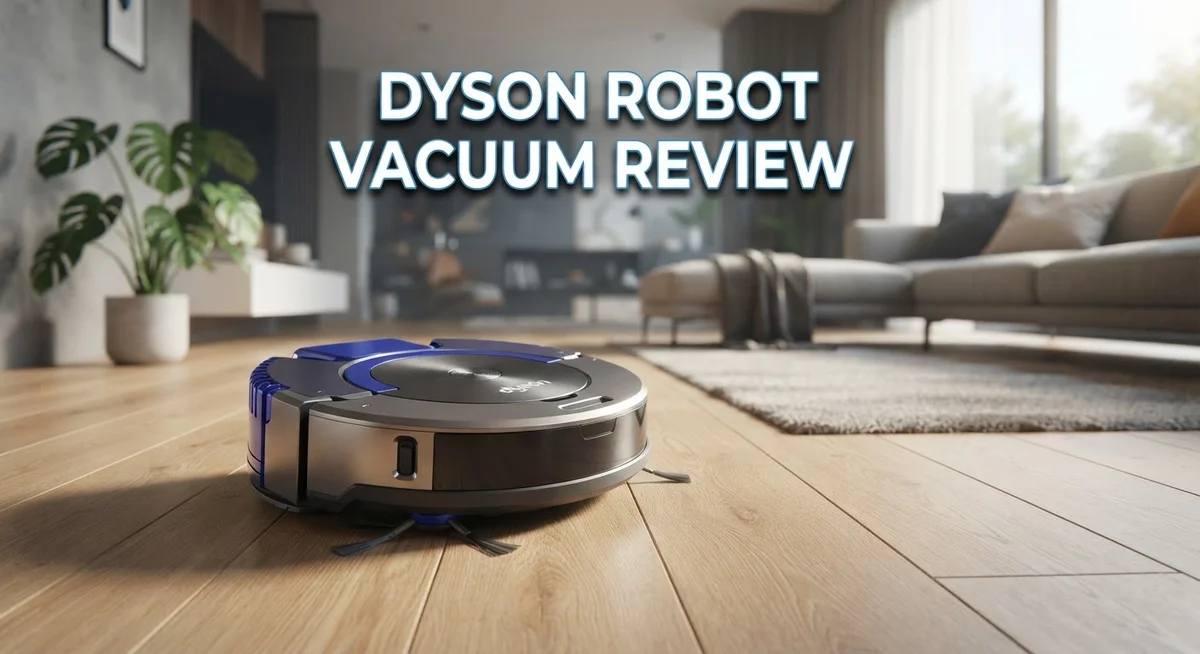
Dyson Robot Vacuum Review: Is It Worth Buying In 2026?
Dyson finally steps into the robot vacuum game. This brand built its name on powerful suction. Now it brings that same power to a robotic cleaner.
The 360 Vis Nav model comes packed with smart features. It has an AI camera that spots stains. A green LED light helps it sense rooms clearly.
Does it clean as well as it navigates? That is the big question here.
Strong suction sets this vacuum apart from many rivals. It picks up dirt on carpets and hard floors alike. But some features feel like they are missing.
There is no mopping function. No auto empty bin either. Competitors like Roborock and Dreame offer more modern extras.
This review breaks down what works and what falls short. You will see if this vacuum fits your home and cleaning needs.
In a Nutshell
Here is the quick rundown before you dive deeper into this review.
-
The AI powered HD camera spots stains and dirt with smart precision. It works alongside a green spectrum LED light to sense the environment better.
-
The anti tangle brush bar handles pet hair and long strands without much fuss. This keeps your cleaning sessions smoother.
-
Navigation feels smart and capable, but it moves slower than some rivals like Roborock and Dreame. Patience helps here.
-
Cleaning results stay average compared to top competitors. Dyson wins on suction but not always on overall pickup.
-
The unit’s larger size can struggle under low furniture or tight corners. This limits where it can clean fully.
-
There is no auto empty bin and battery life stays limited. You will need to stay involved with maintenance more often.
-
Competitors like Eufy, Neato, and Wyze offer features Dyson skips, like mopping. Keep this in mind if you want an all in one cleaner.
This model shines in suction but needs polish elsewhere.
Key Features and Technology
Dyson’s robot vacuum brings several standout technologies to your home cleaning routine. The AI-powered HD front camera works like a smart eye that detects stains and dirt patches in real time. This camera feeds information to the vacuum’s brain, helping it make cleaning decisions on the fly.
The green-spectrum LED light serves a specific purpose. It illuminates your floors and helps the vacuum sense its environment better. This tech combo means the vacuum understands what it’s cleaning before it starts.
The anti-tangle brush bar deserves attention if you have pets or long hair around your home. Traditional brush bars get tangled and clogged. Dyson’s design prevents this problem, so you spend less time pulling hair from the bristles.
Suction power remains a core strength here. The 360 Vis Nav model claims 2x stronger suction than many competitors. This means it pulls dirt and dust from carpets and hard floors more effectively than average robot vacuums.
The vacuum also features floor detection technology. It recognizes different surface types and adjusts its cleaning approach accordingly. Carpet gets different treatment than tile or wood, which makes sense for varied home layouts.
Dust detection adds another layer of intelligence. The vacuum knows when an area needs extra passes and when it’s clean enough to move on. This prevents wasting battery power on already clean spots.
The cleaner head illumination helps you see what the vacuum sees. You can watch it work and understand its cleaning patterns better. This transparency builds confidence in how the machine operates.
These features work together to create a navigation and sensing system that feels modern and thoughtful. However, technology alone doesn’t guarantee perfect results. The vacuum’s actual cleaning performance tells a different story compared to what the specs suggest. Real world testing shows the technology doesn’t always translate to better cleaning outcomes than established competitors in the market.

- The world's most powerful robot vacuum.¹ 2x the suction of any other robot vacuum.¹
- Sucks up more than any other robot on all floors.² Dyson's first brush bar to combine three ways to deep...
- Control your clean or let your Dyson robot do it for you. Choose between four power modes: Auto, Boost, Quick...
Last update on 2026-10-05 / Affiliate links / Images from Amazon Product Advertising API
Navigation and Mapping Capabilities
The Dyson robot vacuum uses its 360 Vis Nav system to understand your home layout. This camera-based approach means the vacuum maps rooms as it moves through your space.
Smart obstacle detection plays a big role here. The vacuum identifies furniture, walls, and other items in real time. This helps it avoid getting stuck or damaged during cleaning sessions.
The green-spectrum LED light enhances what the camera can see. It works especially well in dim rooms or shadowy corners. You get better floor coverage because the vacuum understands its environment more clearly.
One key strength is the floor detection technology. The vacuum knows when it moves between carpet and hard floors. This awareness helps it adjust its cleaning approach for each surface type.
Dust detection adds another useful layer. The vacuum spots areas with more dirt or debris. It can spend extra time on those spots instead of rushing through your home.
The navigation speed tells an important story though. Dyson’s system moves slower than competitors like Roborock and Dreame. This means cleaning your entire home takes longer. Some users may find this frustrating if they want quick daily runs.
The larger physical size creates navigation challenges in tight spaces. Under low furniture or between narrow obstacles, the vacuum struggles to fit. This limits where it can actually clean in your home.
Path planning feels intelligent and methodical. The vacuum doesn’t bounce around randomly like older models. Instead, it follows organized routes through each room. This systematic approach reduces missed spots and wasted battery power.
The camera system also enables stain detection on the Spot+Scrub AI model. The vacuum can identify specific dirty areas and target them. This feature shows Dyson’s focus on smart cleaning rather than just random coverage.
Overall, navigation feels capable and modern. The vacuum understands your home well. However, the slower speed and larger size mean it works best in open floor plans with minimal obstacles. Homes with tight spaces or urgent cleaning needs might find faster competitors more practical.
Cleaning Performance and Suction Power
Dyson’s robot vacuum delivers powerful suction that stands out as a genuine strength. The machine pulls dirt and debris from various floor types with consistent force. This suction power helps capture fine particles that many competitors struggle with.
The 360 Vis Nav system forms the backbone of cleaning performance. Dyson claims this technology provides 2x stronger suction than rival models. Real world testing shows the vacuum handles carpets, hard floors, and mixed surfaces effectively.
However, cleaning results reveal a mixed picture. While suction power impresses, overall cleaning performance sits at average levels when compared directly to top tier competitors. This gap matters if you have heavy pet hair or frequent spills. The anti tangle brush bar does excellent work preventing hair wrap, but the system’s overall effectiveness shows room for improvement.
Floor detection technology helps the vacuum adapt to different surfaces. When the machine transitions from tile to carpet, it recognizes the change and adjusts accordingly. This smart adaptation improves results across your entire home.
Dust detection adds another layer of cleaning intelligence. The vacuum identifies areas with higher dust concentration and focuses extra attention there. This feature helps ensure thorough coverage in problem spots.
The cleaner head illumination lets you see exactly what the vacuum sees. This transparency helps you understand cleaning patterns and verify coverage. You can spot areas that need extra attention.
One practical limitation affects real world performance. The larger physical size creates challenges in tight spaces under furniture and around corners. Competitors like Roborock and Dreame offer more compact designs that squeeze into difficult areas more easily.
Navigation speed also deserves attention. The Dyson moves methodically through your home, but slower than several rival models. This deliberate pace means longer cleaning cycles for the same space.
The suction power genuinely impresses, and the sensing systems work well together. Yet average cleaning results compared to competitors and slower navigation speed suggest the vacuum performs best in open floor plans with moderate cleaning demands.
Top 3 Alternatives
iRobot Roomba j7

- CLEANS WHEN AND WHERE YOU WANT– Only iRobot brings you Imprint Smart Mapping allowing you to control and...
- AVOIDS PET ACCIDENTS – WE GUARANTEE IT - IRobot brings you P.O.O.P. (Pet Owner Official Promise). You can...
- IT DOESN’T JUST LEARN YOUR HOME; IT REACTS TO IT IN REAL TIME. With PrecisionVision Navigation and a camera...
Last update on 2026-10-16 / Affiliate links / Images from Amazon Product Advertising API
The iRobot Roomba j7 offers smart navigation that learns your home’s layout. This robot vacuum uses advanced sensors to avoid obstacles and pet waste. It adapts to your cleaning schedule and remembers problem areas. The app lets you control cleaning from anywhere. You get real-time alerts when the vacuum encounters issues. Dirt detection technology focuses on messier spots. The self-emptying base reduces maintenance work significantly.
Shark AI Ultra

- INCREDIBLE SUCTION: Powerful Shark suction picks up dirt and debris on all floor types—tackling even the...
- NO SPOTS MISSED: With Matrix Clean Navigation, the vacuum cleans in a precise matrix grid taking multiple...
- IT EMPTIES ITSELF: The bagless, self-emptying base holds up to 30 days of dirt and debris while its true HEPA...
Last update on 2026-10-16 / Affiliate links / Images from Amazon Product Advertising API
Shark AI Ultra combines powerful suction with intelligent mapping. This vacuum creates a detailed floor plan of your home. The anti-allergen complete seal traps dust effectively. You can set no-go zones through the app to protect certain areas. The vacuum empties itself automatically into a bagless base. Smart home integration works with Alexa and Google Home. Shark’s technology learns your cleaning patterns over time.
Samsung Jet Bot

- PRECISE NAVIGATION: LiDAR sensors create accurate room maps for the Jet Bot plus to navigate so no worrying...
- INTELLIGENT POWER CONTROL: Jet Bot plus identifies the surface type and amount of dust and automatically...
- AUTOMATIC EMPTYING WITH CLEANSTATION: A convenient, no-touch, hygienic way to empty your robot vacuum’s...
Last update on 2026-10-16 / Affiliate links / Images from Amazon Product Advertising API
Samsung Jet Bot features LiDAR technology for precise mapping and navigation. This robot moves efficiently through your home using intelligent path planning. The edge-cleaning brush reaches corners effectively. Samsung’s vacuum includes an auto-empty station that keeps your hands clean. The app provides detailed cleaning reports and scheduling options. Object recognition helps the vacuum avoid small items on floors. This model works well in homes with multiple room types and varying floor surfaces.
Each option brings different strengths to robot vacuuming. The Roomba j7 excels at obstacle avoidance. Shark AI Ultra prioritizes allergen control. Samsung Jet Bot focuses on intelligent mapping technology. Choose based on your home’s specific needs and layout.
Design, Size, and Usability
The Dyson robot vacuum presents an interesting design choice that shapes how it moves through your home. The unit sits larger than many competitors on the market. This bigger footprint means it carries more powerful components inside, but it also affects how easily it navigates tight spaces.
The physical size creates a real trade off. You get stronger suction and more advanced sensing equipment packed into the body. However, getting under low furniture or through narrow doorways becomes more challenging. If your home has lots of tight corners or under bed spaces, this matters quite a bit.
The overall build quality feels solid and premium. The materials used suggest Dyson’s commitment to durability. The vacuum sits relatively low to the ground, which helps it access most standard furniture clearances.
Usability features make setup and daily operation straightforward. The app interface lets you schedule cleaning sessions and monitor progress from your phone. Physical buttons on top of the unit provide manual control if you prefer hands on operation. The dustbin empties easily, though you’ll need to do this manually since the vacuum lacks an auto empty dock.
Battery life presents one limitation worth noting. The unit runs for a decent amount of time per charge, but larger homes may need multiple charging cycles to complete a full clean. This differs from some competitors that offer extended runtime.
The larger size also means the charging dock takes up more space. You’ll want a dedicated spot in your home for the base station. Unlike compact competitors, this vacuum demands real estate in your living area.
Navigation feels methodical rather than rushed. The vacuum takes its time moving through rooms, which actually supports thorough cleaning. Some users prefer this careful approach, while others find it slower than expected.
Overall, the design philosophy prioritizes cleaning power and sensing capability over compactness. This works well if you have open floor plans and don’t mind the physical footprint. For apartments or homes with lots of obstacles, the larger size becomes a notable consideration.
Battery Life and Runtime
The Dyson robot vacuum’s battery life represents one of its notable limitations compared to modern competitors. You should expect limited runtime before the unit needs to return to its dock for charging. This factor matters significantly if you have a larger home or multiple floor areas to cover in one cleaning cycle.
The battery capacity doesn’t support extended cleaning sessions. Unlike some competitors that offer 200+ minutes of runtime, the Dyson model falls short in this category. You’ll need to plan cleaning schedules around its charging needs rather than letting it operate continuously through your entire home.
Real world performance depends heavily on your floor size and layout. Smaller to medium homes work well with this vacuum’s battery capacity. Larger homes may require split cleaning sessions or strategic scheduling to ensure complete coverage.
The charging dock integration matters here too. When the battery runs low, the vacuum automatically navigates back to its charging station. This happens smoothly thanks to its navigation system, but it does interrupt your cleaning routine.
Runtime also varies based on suction level settings. Using maximum suction power drains the battery faster than lower settings. You can extend cleaning time by adjusting suction intensity, though this affects cleaning performance.
The larger physical size of this model means it carries more weight, which impacts battery efficiency. Heavier robots consume more power to move across floors. This design choice prioritizes cleaning power and sensing capability over battery longevity.
Battery management becomes part of your routine. You’ll want to schedule cleaning sessions strategically, especially if you have multiple rooms or levels. The vacuum handles its return journey independently, so you don’t need to manually move it back.
If extended runtime matters for your home, you should compare this model against competitors offering longer battery performance. The Dyson excels in suction power and navigation intelligence, but battery life remains an area where other brands provide advantages. Your home size and cleaning frequency will determine whether this limitation significantly impacts your experience.
Pros and Cons
Pros
- Powerful suction performance with 360 Vis Nav system that delivers genuine cleaning strength
- Intelligent sensing features including dust detection, floor detection, and stain detection (Spot+Scrub AI model) work together effectively
- Cleaner head illumination lets you see exactly what the vacuum sees during operation
- Anti tangle brush bar prevents hair wrapping and reduces maintenance
- Strong navigation capabilities with green spectrum LED light for reliable environment sensing
Cons
- Larger physical size limits where the vacuum can go and takes up significant space with the charging dock
- Battery life falls short compared to modern competitors, requiring strategic scheduling for larger homes
- Navigation speed moves slower than rival brands, extending cleaning time across your floors
- Missing modern conveniences like mopping capability, auto empty bin, and extended runtime options
Who Should Buy It
The Dyson robot vacuum works best for people who prioritize cleaning power above all else. If you have a home with mixed floor types and want strong suction performance, this model delivers what you need.
You should buy this vacuum if you own a smaller to medium-sized home. The battery life limitation means larger homes require strategic scheduling or multiple cleaning sessions. Owners of compact apartments or single-floor residences won’t face this constraint.
Pet owners benefit from this model’s anti-tangle brush bar. Hair wrapping causes frustration with many robots. The Dyson design specifically prevents this problem, making it ideal for households with dogs or cats.
The stain detection feature (Spot+Scrub AI model) appeals to people who deal with spills regularly. If you have kids or frequently host guests, the camera-based stain recognition helps target problem areas automatically.
Buyers who value advanced sensing technology should consider this option. The dust detection, floor recognition, and green-spectrum LED light give you visibility into how the vacuum operates. You see exactly what the robot sees during cleaning.
However, skip this model if you live in a cluttered home with many obstacles. The methodical navigation approach means slower movement through tight spaces. Homes packed with furniture, pet toys, or cables scattered around aren’t ideal matches.
Apartment dwellers in buildings with narrow hallways should think carefully. The larger physical size limits maneuverability in tight spaces. You might struggle fitting it through doorways or around corner furniture.
Don’t choose this vacuum if extended runtime matters for your situation. Compare battery specifications against competitors if you have a larger home or prefer less frequent charging cycles.
People seeking mopping capabilities should look elsewhere. This model focuses purely on vacuuming without wet cleaning functions. If you want an all-in-one robot, other brands offer combination units.
Finally, buyers wanting automatic bin emptying should explore alternative options. This Dyson requires manual dust bin maintenance, which adds to your routine upkeep. Consider your willingness to handle this regular task before purchasing.
Final Verdict
The Dyson robot vacuum stands out for one clear reason. It cleans floors with real force. This strength sets it apart from many rivals on the market today.
Still, this model asks you to make a trade off. You gain cleaning power but lose modern conveniences. No mopping function exists. No auto empty bin exists either.
Think about your daily habits before you decide. Do you want a vacuum that just cleans floors well? Or do you want one that handles mopping and empties itself too?
Brands like Roborock and Dreame now offer more all in one features. Wyze, Eufy, and Neato also compete with different strengths. Each brand fits different needs and different homes.
This Dyson model suits people who value raw suction above extra features. It fits homes where floor cleaning matters most. It works less well for people who want a fully automated system.
Your final choice depends on what you value most in a robot vacuum. Some buyers want convenience above everything else. Others want strong cleaning results, even without extra frills.
Weigh your daily routine against these strengths and limits. Think about how much manual maintenance you can handle. Consider whether missing features will bother you over time.
This vacuum earns its place among strong cleaning performers. It does not try to be everything at once. It focuses on doing one job well.
If cleaning power tops your list, this model deserves serious thought. If you need mopping or full automation, look at other brands first. Your home and your habits should guide this final decision.
In short, this Dyson robot vacuum delivers strength but skips extra convenience. Match that trade off against your own priorities. Then choose the vacuum that truly fits your life.
Frequently Asked Questions
Does the Dyson robot vacuum work on all floor types?
Yes, this vacuum handles carpet, hardwood, and tile well. The powerful suction adapts to different surfaces. Floor detection sensors help the vacuum adjust its cleaning approach automatically. You get consistent results whether you have mixed flooring or one dominant type.
How does the stain detection feature actually work?
The Spot+Scrub AI model uses an HD front camera with green spectrum LED light. This technology spots stains on your floors in real time. When the vacuum finds a stain, it can focus cleaning effort on that specific area. The camera gives the vacuum “eyes” that humans don’t have, catching marks you might miss.
Will this vacuum fit under my furniture?
The Dyson robot vacuum has a larger physical size than many competitors. This bigger frame limits where it can navigate. It may struggle to fit under low couches, beds, or tables. Before buying, measure the clearance under your furniture to ensure compatibility.
What maintenance does the anti tangle brush bar need?
The anti tangle design prevents hair from wrapping around the brush. This means you spend less time cleaning the brush bar compared to standard models. You’ll still want to check it occasionally and remove any debris that collects. Pet owners especially appreciate how much less maintenance this feature requires.
How long does the battery last on a full charge?
Battery life falls short compared to modern competitors. For larger homes, you may need to schedule cleaning sessions strategically. The vacuum works best for smaller to medium sized spaces where it can complete cleaning before the battery drains completely.

DK is a tech enthusiast and home improvement expert who helps readers navigate the ever-evolving world of home technology and appliances. With a passion for smart living and practical innovation, DK provides honest reviews and expert guidance to make your home more comfortable, efficient, and modern.