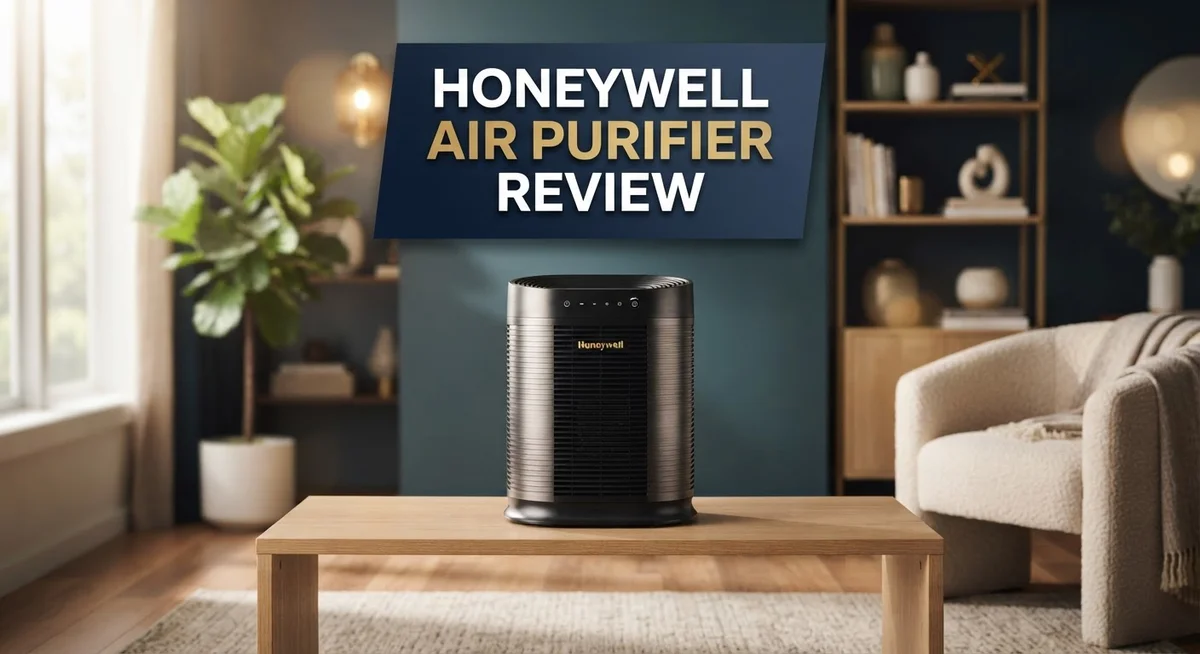
Honeywell Air Purifier Review: HEPA Filtration and Energy Efficiency
Clean air matters more than ever. Dust, pollen, and pet dander float around your home every day. You need a purifier that actually works.
Honeywell air purifiers promise big results. They claim to capture 99.97% of dust and pollen using True HEPA filtration. But do they deliver on that promise?
This review breaks down everything you need to know. We look at models like the HPA5300 and HPA300. Both offer strong filtration and smart features.
You will learn about coverage area, noise levels, and energy efficiency. We also compare Honeywell to top brands like Coway and Levoit.
By the end, you will know if a Honeywell purifier fits your home. Let’s clear the air on what makes these devices tick.
In a Nutshell
-
True HEPA filtration captures 99.97% of dust, pollen, and other tiny particles from the air.
-
The HPA5300 handles extra large rooms with ease, while the HPA300 covers spaces up to 450-500 square feet.
-
Many models carry an ENERGY STAR rating. This helps them use about 27% less energy than standard purifiers.
-
Filter maintenance stays simple. You just pull out the old filter and pop in a new one. No tools needed.
-
Noise levels stay low on lower fan settings. This makes these purifiers great for bedrooms or quiet offices.
-
Higher speed settings do get louder. Keep this in mind if you need constant background noise reduction.
-
Some smaller Honeywell models may not handle very large open spaces well. Check your room size against the purifier’s coverage rating first.
-
Overall, these purifiers offer strong filtration performance and easy daily use. They compete well against brands like Coway, Dyson, and Levoit on core features.
Filtration Technology and Performance
Honeywell air purifiers rely on True HEPA filtration to remove harmful particles from your indoor air. This technology works by forcing air through a dense filter material. The filter traps 99.97% of dust, pollen, pet dander, and other microscopic contaminants.
The HPA5300 model stands out for handling extra large rooms without losing performance. Its air quality sensor monitors your space in real time. When pollution levels rise, the purifier automatically adjusts its fan speed. This smart feature keeps your air clean without constant manual adjustments.
The HPA300 takes a different approach for smaller spaces. It covers 450 to 500 square feet effectively. The purifier draws between 49 and 76 watts during turbo mode operation. This power efficiency means you run the unit longer without guilt about energy costs.
Multi stage filtration gives Honeywell purifiers an edge. Pre filters catch larger particles first. This step extends the life of your main HEPA filter. Activated carbon layers then absorb odors and chemical gases. This layered approach handles more than just dust and pollen.
Real world performance depends on your room size and air quality needs. Users report noticeable improvements within hours of operation. Air feels fresher, and dust settles less frequently on surfaces. People with allergies often notice reduced symptoms quickly.
Filter replacement happens easily with Honeywell models. The company designs filters for quick swaps without tools. Most filters last 6 to 12 months depending on usage and air quality. The straightforward process means anyone can maintain the purifier.
Honeywell focuses on consistent, reliable performance rather than flashy features. The filtration technology remains proven and effective. Your air quality improves measurably when you run these purifiers regularly. The combination of HEPA filtration, smart sensors, and efficient operation makes Honeywell a solid choice for cleaner indoor air.

- Powerful Filtration with HEPA Filter for Medium - Large Rooms: Circulates air 4.8 times/hr (115 times a day...
- Allergen + Odor Reduction: HEPA filter air purifier + Carbon pre-filter helps capture over 99.99% of...
- Automatic Cleaning: These medium to large room air purifiers have 4 cleaning levels, Auto Mode, and Touch...

Last update on 2026-10-16 / Affiliate links / Images from Amazon Product Advertising API
Coverage Area and Room Size Compatibility
Honeywell air purifiers come in different sizes to match your room dimensions. The HPA5300 works best for extra large spaces where you need serious coverage. If you have a smaller bedroom or office, the HPA300 handles up to 450 to 500 square feet comfortably.
Room size matters more than you might think. A purifier that’s too small for your space won’t clean the air fast enough. You’ll notice dust and pollen lingering in corners. Honeywell designs each model with specific square footage in mind, so matching your room to the right unit keeps performance strong.
The HPA5300 shines in open floor plans and large living areas. It pulls air through the filtration system multiple times per hour, which means faster cleaning cycles. Smaller models work well in bedrooms, home offices, or apartments where space is limited.
Air changes per hour matter here. This number tells you how many times the purifier cleans all the air in your room. Honeywell models achieve multiple air changes hourly, even in bigger spaces. This faster cycling means you breathe cleaner air sooner.
Your room layout also affects performance. Open spaces work better than rooms with lots of furniture and clutter. Hallways and tight corners may not get as much filtered air. Place your purifier in a central location for best results across the entire room.
If you live in a smaller home, one Honeywell unit might cover multiple connected spaces. Larger homes with separate rooms may need more than one purifier for complete coverage. Think about how air flows through your living area when you decide.
Check the square footage specifications before buying. Honeywell lists coverage areas clearly on each model. This takes the guesswork out of choosing the right size. You get a purifier that actually fits your space instead of one that struggles to keep up.
Noise Levels and Operating Modes
Honeywell air purifiers operate across multiple fan speed settings, each with its own sound profile. On lower speeds, these units run quietly enough for bedrooms and living rooms where you want minimal distraction. Many users report that the quietest setting produces barely noticeable background noise.
Higher fan speeds deliver more air cleaning power, but noise increases noticeably. The turbo or maximum setting pushes the unit to work harder, which means more sound output. This trade off is common across all air purifier brands. If you need maximum filtration during the day, you can switch to quieter modes at night.
Honeywell includes different operating modes to match your needs. Auto mode lets the air quality sensor adjust fan speed based on current air conditions. This smart feature reduces noise when air quality is already good, then ramps up when pollution levels spike. You control the experience without constant manual adjustments.
The HPA300 uses 49 to 76 watts depending on which speed you select. Lower power consumption on quieter settings means energy bills stay reasonable. Sleep mode typically runs at the lowest fan speed, perfect for nighttime operation when you want silence and rest.
Most Honeywell models let you cycle through speed options with simple buttons. You might start on medium during the day, drop to low at bedtime, and use high only when needed. This flexibility keeps noise manageable while maintaining effective air cleaning.
The noise level difference between brands matters. Honeywell positions itself in the middle ground—not the quietest option available, but quieter than many competitors when running on lower settings. Real world performance depends on your sensitivity to sound and your room size. Larger rooms may allow you to use medium speeds instead of maximum, which naturally keeps noise down while still cleaning air effectively.
Top 3 Alternatives
Dyson Pure Cool

- SENSES POLLUTANTS IN REAL TIME: Automatically detects and reports air quality levels in real time on PM...
- CAPTURES POLLUTANTS WITH 360-DEGREE SEALED HEPA & ACTIVATED CARBON FILTERS: The fully-sealed filter system...
- PROJECTS POWERFUL AIRFLOW: Air Multiplier technology delivers over 77 gallons per second of smooth, yet...
Last update on 2026-10-16 / Affiliate links / Images from Amazon Product Advertising API
The Dyson Pure Cool combines air purification with fan functionality. This unit uses a HEPA filter to capture particles as small as 0.1 microns. The device projects purified air across your room, making it effective for larger spaces.
You get real-time air quality monitoring through the built-in LCD display. The remote control lets you adjust settings from anywhere. Quiet operation makes it suitable for bedrooms and living areas. The sleek design fits modern home décor easily.
Levoit Core 300

- WHY CHOOSE AHAM VERIFIDE AIR PURIFIERS: AHAM (Association of Home Appliance Manufacturers) is an...
- HIGH-PERFORMANCE AIR PURIFICATION: A powerful 56W high-torque motor and 143 CFM CADR delivers fast, effective...
- AHAM VERIFIDE, PROVEN PERFORMANCE: AHAM VERIFIDE with a CADR (Clean Air Delivery Rate) rating of 143 CFM for...
Last update on 2026-10-15 / Affiliate links / Images from Amazon Product Advertising API
The Levoit Core 300 focuses on simplicity and effectiveness. This compact purifier works well in small to medium rooms. It uses a three-stage filtration system to remove dust, pollen, and odors.
The device operates quietly, even at maximum speed. You can set a timer for automatic shutoff. The filter replacement process is straightforward. Energy efficiency keeps your electricity bills low. This model appeals to budget-conscious buyers who want reliable performance.
Coway Airmega 400

- [Coverage] Designed to clean spaces up to 3,120 sq. ft. in 60 minutes
- [HyperCaptive Filtration System] Combination of a pre-filter, active carbon filter, and HEPA Filter reduces...
- [Smart Mode] With its Smart Mode feature, the Airmega automatically adapts to its surroundings by adjusting...
Last update on 2026-10-16 / Affiliate links / Images from Amazon Product Advertising API
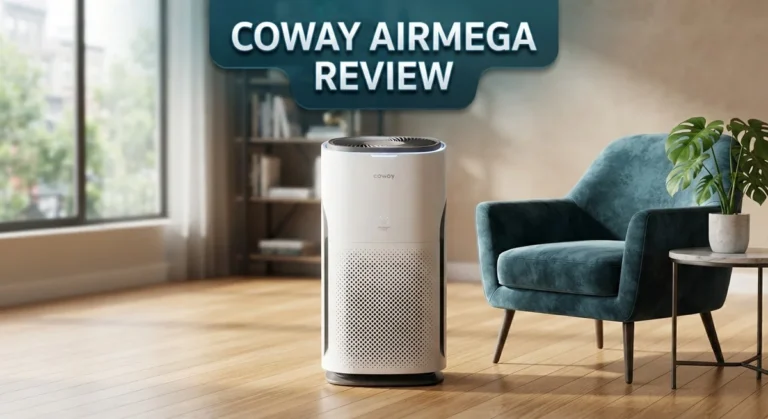
The Coway Airmega 400 delivers powerful purification for larger spaces. Its dual-sided air intake pulls in more air volume than single-intake models. The unit features a washable pre-filter that reduces replacement costs.
Smart sensors detect air quality changes automatically. The device adjusts fan speed based on current pollution levels. Real-time air quality indicators help you understand your indoor air conditions. This model includes an activated carbon filter for odor removal. The Airmega 400 suits homes with pets or multiple family members.
Each alternative offers different strengths. Choose based on your room size, budget, and specific air quality needs.
Energy Efficiency and Operating Costs
Honeywell air purifiers stand out for their sensible approach to energy consumption. The ENERGY STAR rated models cut energy use by roughly 27% compared to standard purifiers, which directly lowers your monthly electricity bills.
The HPA300 model draws between 49 and 76 watts depending on your fan speed choice. This range matters because lower speeds consume far less power while still filtering your air. Running the purifier on a quieter setting overnight costs significantly less than turbo mode operation.
Real world operating costs depend on how often you run the unit. Many households run their purifier continuously, especially in bedrooms or living rooms with poor air quality. Honeywell’s efficient design means extended use won’t spike your electric bill the way less efficient models might.
The air quality sensor on certain Honeywell models adds another cost saving feature. This sensor automatically adjusts fan speed based on current air conditions. When your air quality improves, the purifier drops to lower speeds automatically, cutting unnecessary power draw.
Filter replacement costs remain reasonable with Honeywell units. You’ll replace filters annually or based on air quality in your space. The straightforward design means no expensive specialty parts or complicated maintenance routines that drain your wallet over time.
Comparing total ownership costs reveals Honeywell’s practical value. You factor in the initial purchase, electricity consumption, and filter replacements across several years. Honeywell models typically show lower total costs than premium brands offering similar filtration performance.
Turbo mode does increase power consumption noticeably. However, you don’t need maximum speed constantly. Most users run lower or medium settings for everyday air cleaning and switch to turbo only when addressing sudden air quality drops.
The combination of efficient motors, smart sensors, and adjustable speed settings makes Honeywell purifiers cost conscious choices. Your energy bills reflect this efficiency month after month. If you want reliable air cleaning without excessive electricity consumption, these purifiers deliver practical performance that respects your budget constraints.
Filter Maintenance and Replacement
Honeywell air purifiers use replaceable filter cartridges that capture dust, pollen, and other airborne particles. The True HEPA filter in models like the HPA5300 traps 99.97% of particles as small as 0.3 microns. This high efficiency means you get cleaner air with straightforward maintenance.
Filter replacement happens on a regular schedule. Most Honeywell models need new filters every 6 to 12 months, depending on your air quality and how often you run the unit. Heavy use in dusty environments shortens filter life. Light use in clean air extends it.
You can easily access the filter compartment on Honeywell units. The design lets you swap out old filters without special tools. Simply open the access panel, slide out the used filter, and insert the new one. The process takes less than a minute. No complicated steps or confusing instructions needed.
Honeywell sells replacement filters through multiple channels. You find them online, in retail stores, and through the manufacturer directly. Keeping spare filters on hand prevents gaps in your air cleaning. Many owners order replacements before the current filter reaches its end date.
The air quality sensor on certain Honeywell models provides real benefits here. This sensor tells you when your filter needs attention. You don’t have to guess or follow a calendar. The unit alerts you based on actual air conditions in your space. This prevents running a clogged filter that works harder than necessary.
Clogged filters reduce airflow and force your purifier to consume more energy. A clean filter maintains consistent performance. Regular replacement keeps your unit running efficiently and quietly. You also avoid the strain on the motor that comes with dirty filters.
Honeywell designs their filter system for easy ownership. No special maintenance routines or complicated procedures apply. You simply replace the filter when the indicator tells you to do so. This straightforward approach makes Honeywell air purifiers practical for everyday use in any household.
Pros and Cons
Pros
- Captures 99.97% of dust and pollen with True HEPA filtration for cleaner air
- ENERGY STAR rated models use roughly 27% less energy than standard purifiers
- Simple button controls make operation straightforward for any user
- Low noise levels on lower fan speeds keep your space quiet
- Filter cartridges are easy to access and replace without hassle
Cons
- Smaller models may not cover larger rooms effectively
- Turbo mode creates noticeably louder sound levels during operation
- Some units undersized for extra large spaces require strategic placement
Who Should Buy It
Honeywell air purifiers work well for several types of people and living situations.
Allergy sufferers benefit most from these units. If you sneeze frequently or have dust sensitivity, the True HEPA filtration captures 99.97% of pollen and dust particles. Your symptoms may decrease noticeably within days of running the purifier continuously.
Pet owners find real value here too. Pets shed hair and dander constantly. Honeywell’s filtration system traps these particles before they settle on furniture or your clothes. The air quality sensor on certain models detects pet dander and adjusts fan speed automatically.
People with asthma or respiratory conditions should consider a Honeywell unit. Clean air reduces breathing difficulties and nighttime coughing. The low noise on lower fan speeds means you can run it while sleeping without disturbance.
Families in dusty climates need reliable filtration. Construction sites, dry regions, and areas with heavy traffic create constant dust problems. Honeywell purifiers handle this challenge efficiently without requiring filter changes every few weeks.
Remote workers and students spend hours indoors. A running purifier improves focus and reduces fatigue from poor air quality. You’ll notice sharper thinking and better concentration throughout your workday.
Apartment dwellers appreciate the straightforward operation. No complex settings or confusing menus exist. You press a button and the unit works. Anyone in your household can operate it without instructions.
People sensitive to noise should choose lower fan speeds. Turbo mode creates louder operation, but standard speeds remain quiet enough for living rooms and bedrooms.
Homeowners with extra large spaces need to check coverage carefully. Smaller models like the HPA300 cover 450 to 500 square feet effectively. Larger rooms may need strategic placement or a bigger unit.
Budget conscious consumers appreciate easy filter maintenance. Replacement cartridges cost less than premium brands. You change filters yourself in minutes without professional help.
Renters benefit from Honeywell’s portability. These units move easily between rooms or apartments. No installation required means you take your investment with you when you move.
Final Verdict
Honeywell air purifiers deliver on their core promise. They clean air well and run without fuss. This makes them a smart pick for many households.
True HEPA filtration stands out as the biggest strength. It traps tiny particles that trigger allergies and breathing issues. Clean air becomes the norm, not the exception.
The brand also keeps things simple. You do not need a manual to figure out the controls. Anyone can set up and run these units within minutes.
Room size matters when choosing your model. Smaller units struggle in large open spaces. Match the unit to your room dimensions before you buy.
Noise on high settings can bother some users. If you need silence during sleep or work calls, plan to run lower fan speeds. Most people find this trade off acceptable given the clean air payoff.
Compared to brands like Coway or Dyson, Honeywell holds its own. It may lack some fancy smart features found in premium competitors. But it delivers reliable performance without unnecessary complexity.
Think about your specific needs before deciding. Do you have pets? Allergies? A large living room? Your answers will guide you toward the right model size.
Honeywell shines brightest for people who want dependable air cleaning without complicated technology. It suits renters, families, and anyone new to air purifiers.
The learning curve stays low. The results stay consistent. That combination makes Honeywell a trustworthy choice in a crowded market.
For most buyers, a Honeywell air purifier checks the right boxes. It filters effectively. It runs quietly on lower settings. It fits into daily life without demanding extra attention.
Choose based on your room size and noise tolerance. Get those two factors right, and your Honeywell unit will serve you well for years to come.
Frequently Asked Questions
How often should I replace the filter in my Honeywell air purifier?
Most Honeywell filters need replacement every 6 to 12 months. The exact timing depends on how often you run the unit and your local air quality. If you use turbo mode daily, filters get dirtier faster. Check your specific model’s manual for guidance.
Many units have a filter replacement indicator light. This light tells you when it’s time to swap out the cartridge. Replacing filters is straightforward and takes just a few minutes without special tools.
Can a Honeywell air purifier help with pet allergies?
Yes. Honeywell units capture pet dander and hair with their True HEPA filtration system. The filters trap 99.97% of dust and pollen particles, which includes pet allergens.
If you have cats or dogs, a Honeywell purifier can reduce sneezing and itchy eyes. Pet owners report noticing improvement within days of running the unit. For best results, place it in rooms where your pets spend the most time.
What room size does each Honeywell model cover?
The HPA300 works well for rooms up to 450 to 500 square feet. The HPA5300 handles extra large spaces and is better for open floor plans or bigger bedrooms.
Measure your room before buying. A unit that’s too small won’t clean the air effectively. Too large, and you waste energy. Check the product specs to match your space correctly.
Is a Honeywell air purifier loud?
Lower fan speeds run quietly and won’t disturb you. Higher speeds create more noise, especially turbo mode. If you’re sensitive to sound, test the unit first or keep it on a lower setting.
Many users run their Honeywell purifiers on medium speed for a good balance between air cleaning and quiet operation.

DK is a tech enthusiast and home improvement expert who helps readers navigate the ever-evolving world of home technology and appliances. With a passion for smart living and practical innovation, DK provides honest reviews and expert guidance to make your home more comfortable, efficient, and modern.